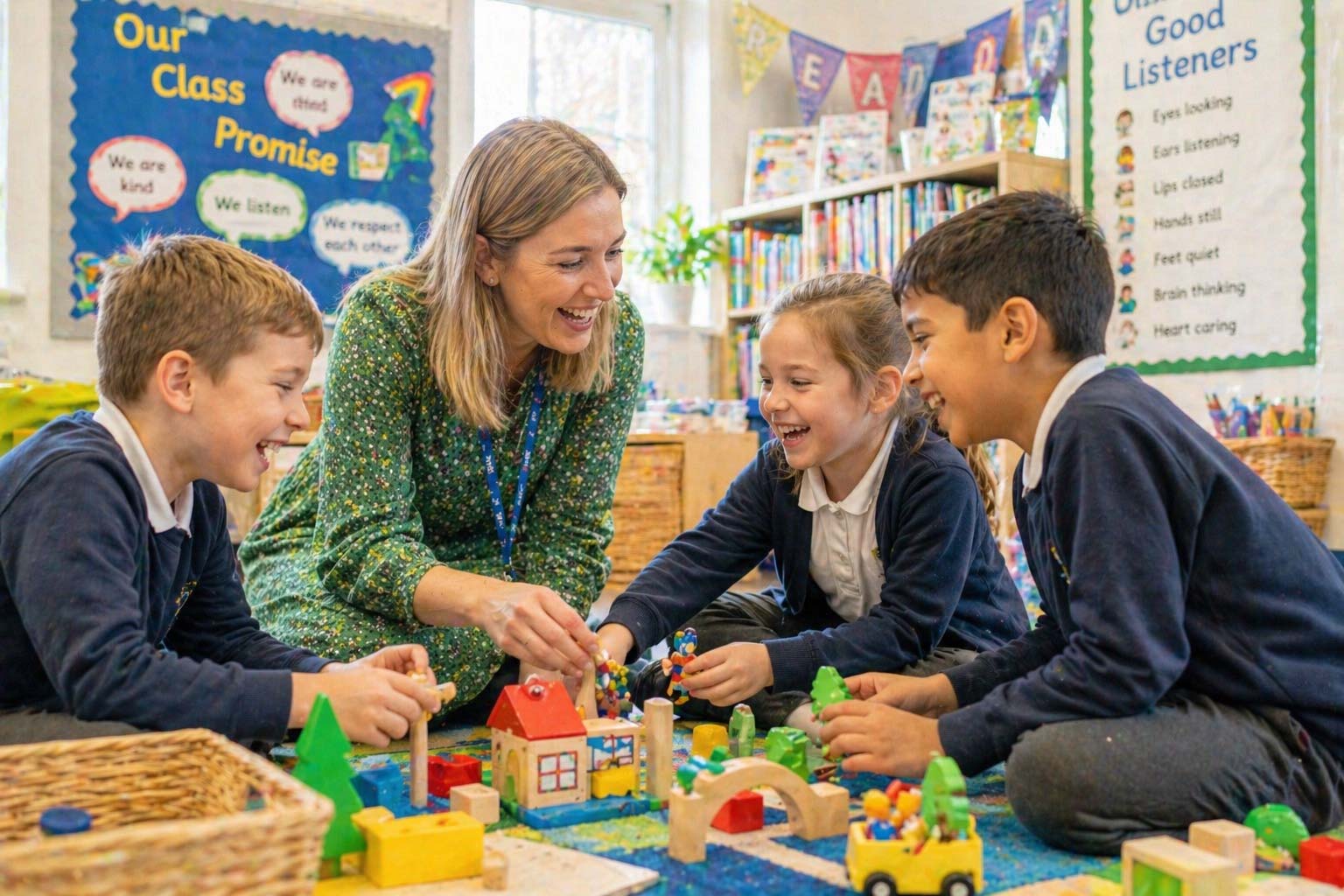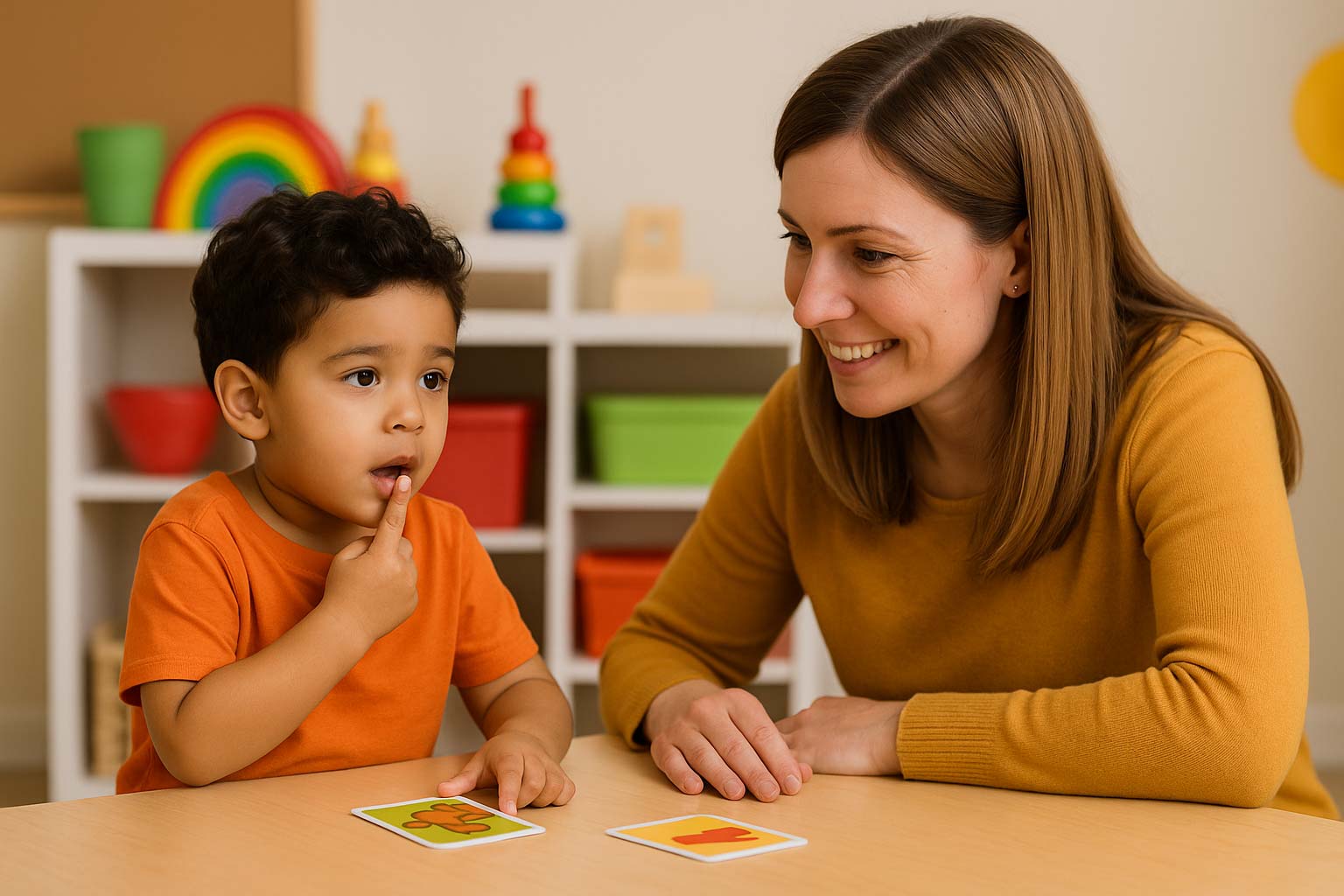
At this time of year, schools start talking about transition. Reception teachers are preparing to welcome new starters, Year 6 pupils have visited their secondary schools and staff are busy completing handovers before the summer holidays begin. It's a familiar part of the school calendar and, quite rightly, a great deal of thought goes into making sure these important milestones are handled well. We know that moving schools can be exciting, daunting and, for some children, overwhelming. We plan carefully because we understand that significant change deserves careful preparation.
Over the years, though, I've found myself thinking just as much about the children who aren't changing schools at all.
As a speech and language therapist, I've visited many classrooms during the autumn term, and there is a conversation I've heard countless times. It usually starts with a teacher looking slightly puzzled. "They never used to struggle with this," they'll say. Or perhaps, "They were much more confident last year." Occasionally that's true. Children do change, and some take longer than others to settle into a new class. But very often, I don't think the child has changed nearly as much as everyone assumes.
What's changed is the relationship.
By July, teachers know their pupils remarkably well. Not simply because they've taught them for ten months, but because they've spent almost every day communicating with them. They've learnt, often without realising it, how each child makes sense of the classroom. They know who needs a little longer to process spoken language before answering a question and who benefits from hearing an instruction in two smaller steps instead of one long explanation. They know which child will quietly smile and nod despite only having understood some of what has been said, and which one needs to see an example before they can begin a piece of work confidently.
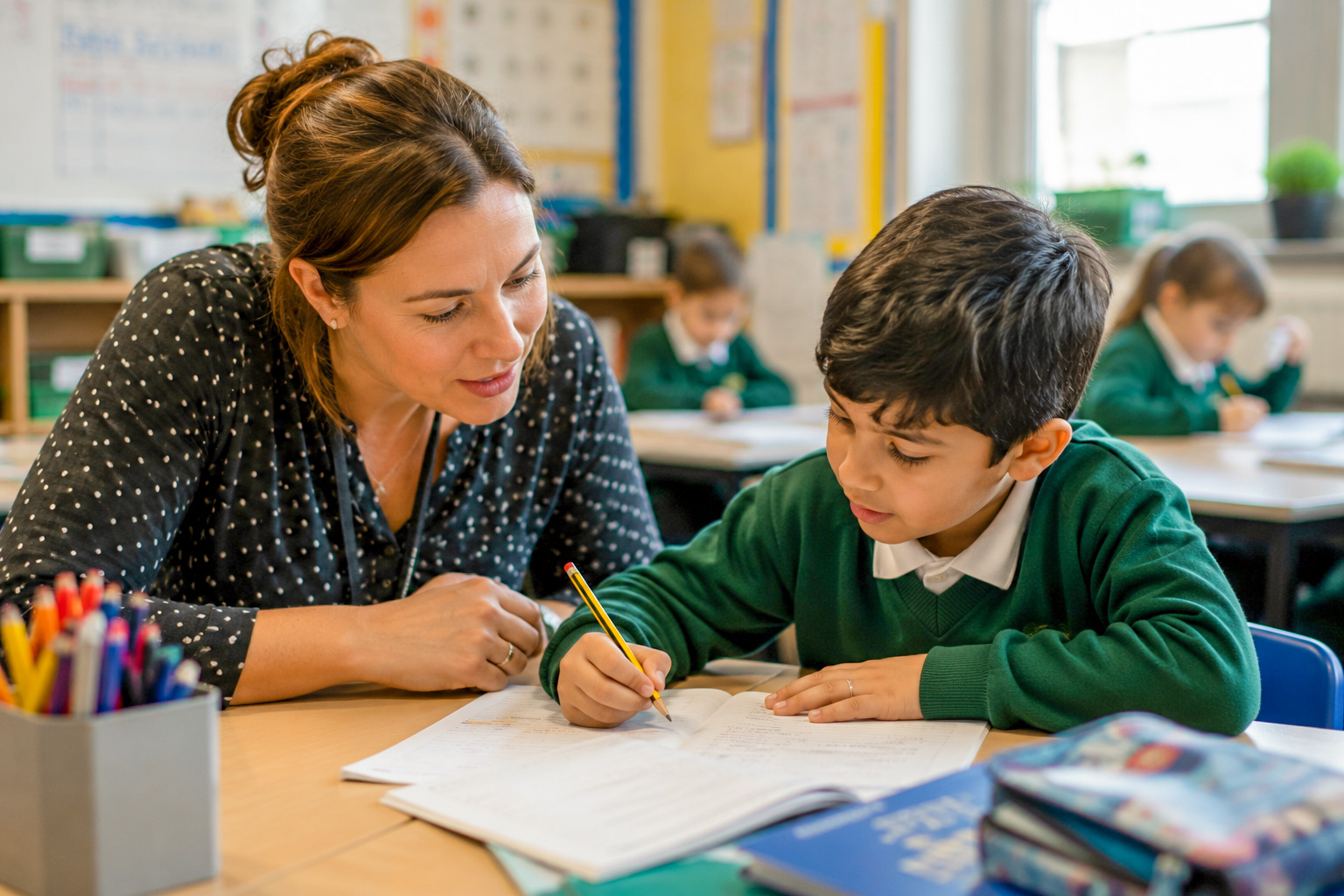
The interesting thing is that most teachers don't think of these as strategies. If you asked them what they'd changed over the course of the year, many might say, "Nothing really." Yet if you watched them closely, you'd see dozens of tiny adjustments happening every lesson. They instinctively pause before expecting an answer. They spot the puzzled look from across the classroom and quietly check understanding without drawing attention to it. None of these things appear in a lesson plan. They happen because good teaching is responsive, and because relationships quietly shape the way we communicate with one another.
I've often found myself wondering how many children are described as having a "wobbly start" to the autumn term when, in reality, they're simply learning a whole new set of communication rules. We rarely think of classrooms as having their own language, but they do. Every teacher has their own way of explaining ideas, asking questions, introducing new vocabulary and managing discussion. Most children absorb these differences almost without noticing. Others need much longer. For children with speech, language and communication needs (SLCN), those subtle changes can have a big impact because communication isn't simply the vehicle for learning; it is part of learning.
Adults, understandably, tend to think about transition in practical terms. We think about different classrooms, unfamiliar timetables, new exercise books or moving from one building to another. Children experience something rather different. They walk into a room where the adults don't yet know them. Their new teacher doesn't yet recognise the difference between a child who's forgotten the answer and one who's still processing the question. They haven't had time to notice that a particular pupil finds whole-class discussions much easier if they've had a chance to rehearse their ideas with a partner first. Those things can only be learnt through time, observation and trust.
By the end of the summer term, many children have reached the point where they no longer have to work quite so hard to communicate. The adults around them understand their strengths, recognise the support they need and have gradually adjusted the classroom environment. When September arrives, those relationships have to be built again. Nobody has done anything wrong, and no teacher could possibly know everything about a child on the first day of term, but it's worth recognising that for some children this is the biggest transition of all.
Perhaps that's why I've never been convinced that transition is something we should only think about when children move schools or key stages. Every September is a transition. Every child walks into a classroom where expectations have shifted, routines have changed and relationships are starting from the beginning again. For many children that's an exciting part of growing up. For others, particularly those with speech, language and communication needs, it's a period that deserves just as much thought and preparation as any move between phases of education.
The SEND Code of Practice recognises the importance of getting transition right. It explains that transition should be carefully planned well in advance, with information shared between settings and children and their parents involved wherever possible in decisions about the support they'll need.
We often read that guidance through the lens of children moving into Reception or secondary school, but I think the underlying principle is much wider than that. Every transition deserves thoughtful planning because every transition has the potential to challenge the relationships and communication that children rely on to learn. Whether a child is moving to a different school or simply walking into the classroom next door, the question is the same: what do the adults receiving this child need to understand so they can pick up where the previous teacher left off, rather than unintentionally starting again?
Looking beyond the paperwork
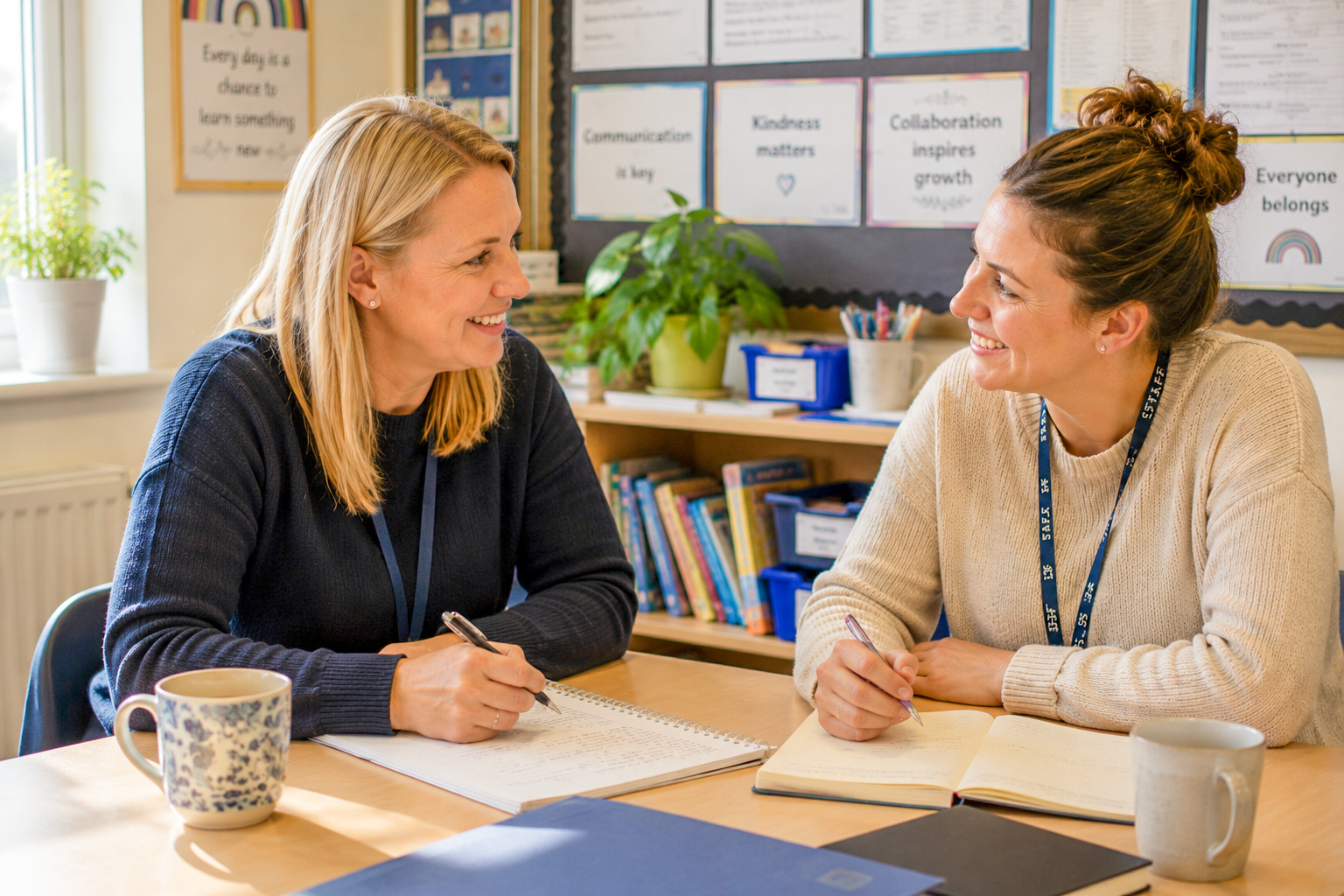
By the end of the summer term, teachers are understandably focused on making sure the important information follows each child. Assessment data is updated, intervention records are shared, safeguarding information is passed on and conversations take place between colleagues. Good handovers matter, and anyone who's ever started with a new class knows how valuable they are.
I've often wondered, though, whether the most useful information is also the hardest to record.
It's relatively straightforward to write that a child is working towards age-related expectations in reading, or that they're receiving support for speech and language. It's much harder to capture the things you've learnt simply by spending every day with them - their interests and the many ways they learn, communicate and connect with others.
Perhaps you've realised that if you ask one question at a time, they'll usually give you a thoughtful answer, but if you ask three together, they'll smile politely and guess. Perhaps you've noticed they're far more confident once they've watched someone else have a go first. Maybe you've learnt that when they say, "I'm fine," they're often anything but.
Those observations don't usually come from assessments. They come from relationships.
We often talk about communication as something that happens between groups of people, not simply within an individual. That's one of the reasons the same child can appear confident and engaged in one situation, yet much quieter in another.
I've seen this happen many times over the years. A child who spoke confidently with one teacher is suddenly hesitant to answer questions in September. Another who had begun joining group discussions starts sitting back and letting others do the talking. It's easy to wonder whether they've lost confidence or forgotten the routines. More often than not, I think they're simply working out a new communication environment. They're learning how this teacher explains things, when it's appropriate to ask questions, what happens if they don't understand and whether this classroom feels like a safe place to have a go.
That's something we perhaps don't talk about enough. Communication isn't just about vocabulary, grammar or speech sounds. It's also about trust.
For children with speech, language and communication needs, those judgements can be even more significant. Many have developed ways of masking or compensating for their communication differences. They watch what everyone else is doing before joining in, rely on their peers for clues or quietly copy those around them. By July, the adults who know them well have noticed these patterns and understand what they may be communicating. A new teacher simply hasn't had the opportunity to notice them yet.
This is exactly what sits behind the SEND Code of Practice's emphasis on planning transitions well in advance, sharing information between settings and involving children and families wherever possible. The aim isn't simply to transfer information; it's to help ensure continuity of support, so children don't feel as though they're starting from scratch each time they experience change.
Sometimes I wonder if we should ask a different question during transition meetings.
Instead of asking, "What support does this child receive?" perhaps we should also ask, "What have we learnt about how this child communicates?"
The answer might not fit neatly into a box on a handover form.
It might be something as simple as, "Give her a little longer than you think she needs." Or, "He'll probably tell you he's understood even when he hasn't, so check in another way."
Those are the things that stay with me after school visits. They're also the things that teachers often remember years later. Not because they're dramatic, but because they're the small pieces of understanding that change the way a child experiences the classroom every single day.
Perhaps that's why the weeks before September matter just as much as September itself. The more we can help new teachers understand how a child communicates before they walk through the classroom door, the sooner those relationships can begin to grow again.
Starting September with communication in mind
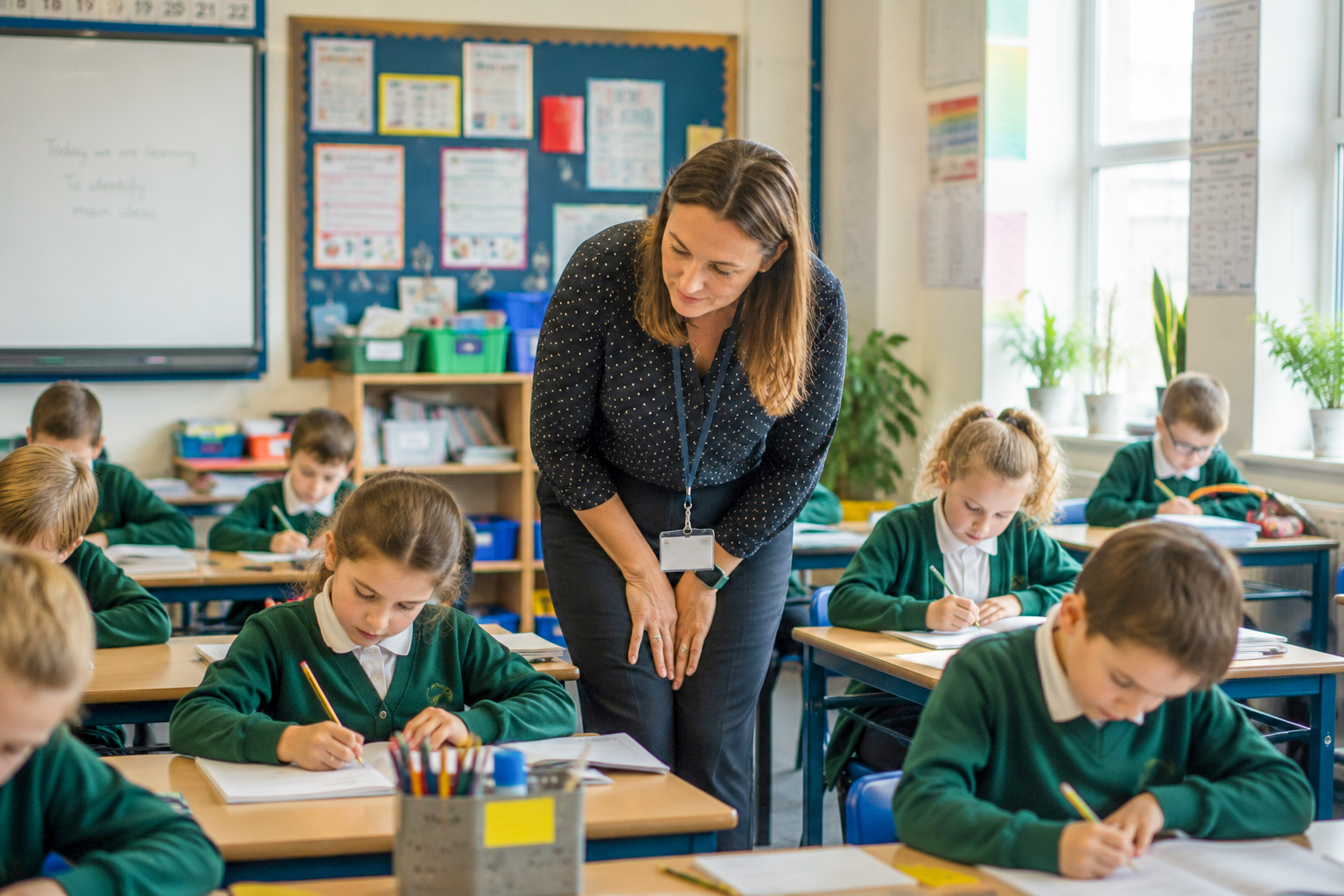
The first few weeks of a new school year are always busy. New routines need to be established, classroom expectations revisited and relationships built from the ground up. It's easy to focus on helping children learn how the classroom works, but perhaps we should spend just as much time thinking about how the classroom communicates.
Every teacher will, quite naturally, develop their own way of doing things. That's part of what makes schools such vibrant places to learn. At the same time, there are some approaches that consistently make life easier for children, particularly those with speech, language and communication needs. Taking a little longer to establish routines rather than assuming children remember them. Introducing unfamiliar vocabulary before expecting children to use it. Giving pupils time to think before answering, instead of mistaking processing time for uncertainty.
None of these approaches are new, and they certainly aren't only for children with identified SLCN. When they're part of everyday classroom practice, they reduce the demands placed on children who are already working hard to understand, process and express themselves. Just as importantly, they often benefit every child in the room.
I've sometimes heard teachers worry that they're "going back to basics" during those first few weeks in September. Personally, I don't think that's anything to worry about. Children need time to settle, adults need time to get to know a new class and every classroom needs time to find its rhythm. Revisiting routines, modelling expectations and taking opportunities to learn about the children in front of you isn't lost learning; it's an investment. The better we understand how children communicate, the more effectively we can teach them for the rest of the year.
What we really hand over
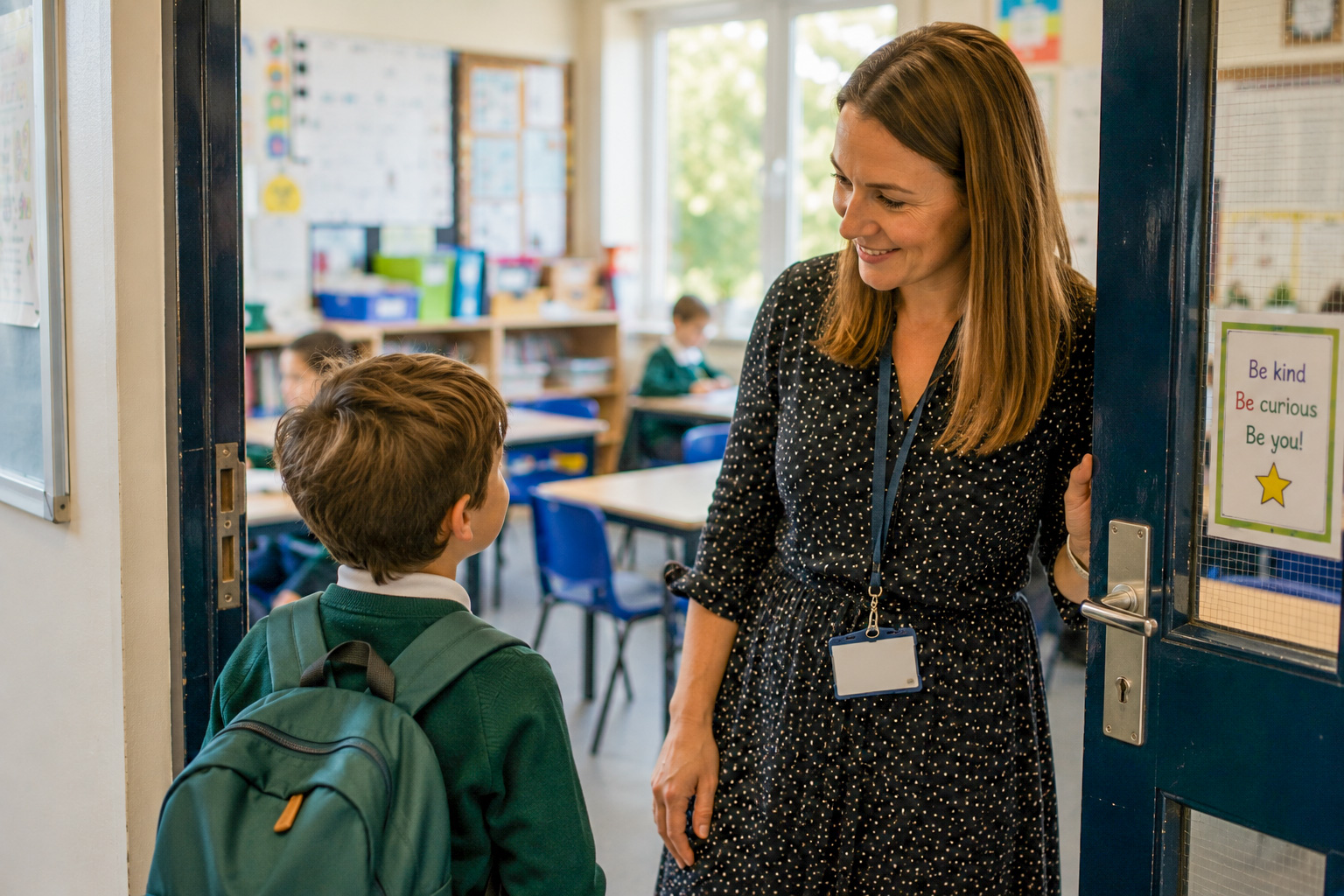
When I think back over the schools I've worked in, I don't remember transition documents or tracking sheets. I remember the conversations. A teacher telling me, "Give him a little longer to answer and you'll be amazed at what he knows." A teaching assistant explaining that one child always understood better once they had seen someone else have a go first. A SENCO reminding a new teacher that a pupil who wasn’t confident to speak in September would often communicate much more freely by Christmas, once they felt safe enough.
Assessment data can be updated. Intervention plans can be rewritten. But knowing that a child needs time to think, finds whole-class discussion overwhelming or has strengths that may not be immediately apparent. That's the continuity we should be trying to preserve.
Perhaps that's the question worth taking into the summer holidays: not "Which children are changing schools?" but "Which children will be learning a whole new communication environment in September, and what can we do now to make that feel just a little easier?"
If we can help that understanding travel with the child into September, we give children the best possible chance to feel understood from the very first day. For many children, particularly those with speech, language and communication needs, that's where successful learning really begins.
Interested in exploring this further?
Our Transitions - Keeping Me Confident CPD workshop builds on many of the ideas discussed in this article, helping practitioners create communication-friendly transitions for children and young people.
Learn more about the workshop